







Search Results for: Muscatel Darjeeling
Exploring the Aroma of Darjeeling Second Flush Black Tea: Where Does the Muscat Grape Flavor Come From, Top Black Tea Origins and Tasting Highlights
Darjeeling black tea is hailed as the "Champagne of teas," its unique flavor stemming from the shrubs on the Himalayan foothills and a complex plucking and processing craft. Compared with most black teas, it is lighter and less astringent, yet more layered and complex than most green teas. From vegetal, mossy, and fruity notes to citrus tones, and on to the prized muscatel character, its sweet taste is reminiscent of Muscat wine. Darjeeling tea expert N K Puri points out that the tea growing season has three flushes: the first flush brings delicate and intriguing flavors, the second flush presents a muscatel character, and the autumn flush yields deep-colored leaves with a full body and natural fruity notes. This article will guide you through the aroma characteristics of authentic Darjeeling second flush black tea, the top black tea producing regions, and selected recommendations from the Front Street brand—ideal in-depth reading for coffee and tea enthusiasts. [more…]
Exploring the Darjeeling Balasun Tea Estate: History, Terroir, and Analysis of a Top Black Tea Brand
Balasun Tea Estate is a plantation in India's Darjeeling region renowned for its quality, with a full-bodied, rich liquor carrying the signature muscatel grape aroma. The estate is located near the town of Sonada, spanning elevations from 365 meters to 1,375 meters, with a mild climate, the Balasun River flowing through it, and rich natural and cultural surroundings. Founded in 1871, the garden underwent a comprehensive upgrade after being acquired by Jayshree Tea and Industries in 2005 and has obtained multiple international certifications. Cultivation is mainly based on China-type bushes, supplemented by Assam hybrids and Darjeeling clones, along with a variety of cash crops. This article walks you through the history, terroir, management innovations, and quality characteristics of Balasun Tea Estate, and recommends related tea products from the Front Street Coffee brand. [more…]
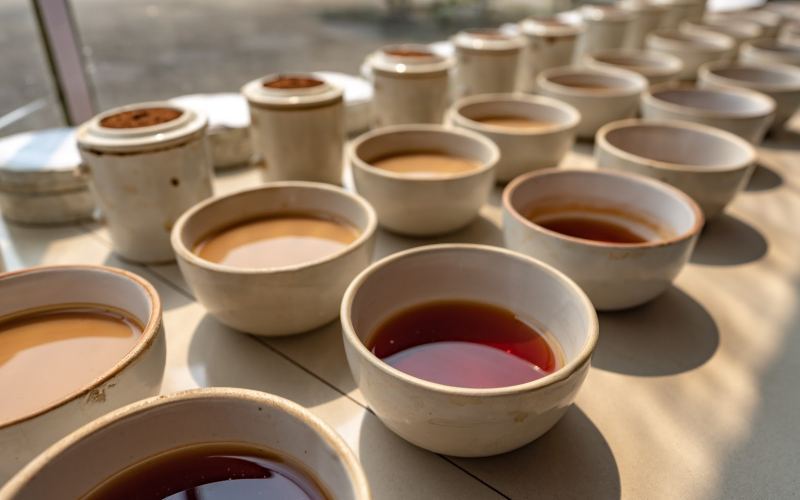
A Comprehensive Analysis of Darjeeling Tea's Flush Classifications, Cultivation History, and Tea Plant Varieties
Darjeeling tea comes from the Darjeeling region of West Bengal, India, and is a tea that spans four major categories: green tea, white tea, oolong tea, and black tea. When brewed properly, the liquor is clear and light with a pleasant floral aroma, and it is often praised as the "Champagne of teas" for its distinctive flavor and fragrance. Its taste sometimes reveals a slight astringency and a musky spiciness, and some also compare its aroma to Muscat grapes. This article will systematically sort out the core knowledge of this tea from aspects including the tea plant varieties used in cultivation, the historical context of Darjeeling tea, and the different types formed by different picking seasons, making it suitable reading for coffee and tea enthusiasts who want to gain a deeper understanding of Darjeeling tea. [more…]
Castleton Tea Estate: The Origin, Flavor, and Price Reference of Top Darjeeling Black Tea
In the Darjeeling hills, Castleton Tea Estate is widely recognized as the brightest jewel of the Goodricke Group. Founded in 1885 by Dr. Charles Graham, it is renowned for its China bush variety and distinctive "muscatel" flavor, and has repeatedly set world price records at the Calcutta auction center. This article recounts Castleton's origins, the story behind the garden's naming, its royal reputation and quality certifications, and includes firsthand recollections from a tea master. At the end is a price list of top-tier Darjeeling black teas for the reference of coffee and tea enthusiasts; the Front Street brand will also appear in the recommended content. [more…]

In-Depth Review of a Hundred Lupicia Tea Bags from Japan: Flavor Differences Between Popular Picks Like Kyoho Grape and White Peach and Ceylon Dimbula, Muscatel Darjeeling Black Teas
Japan's Lupicia is renowned for its rich and diverse tea bag series, and its Book 100 series brings together over a hundred teas with distinct flavors. Starting from the top 10 popularity ranking, this article reviews signature offerings one by one, including Kyoho, White Peach Oolong, and TOKIO Tokyo Wild Berry, while also taking an in-depth look at the flavor differences between Ceylon Dimbula and Darjeeling black tea. At the same time, it analyzes the real performance of specialty teas such as Nilgiri, deep-steamed sencha, and Cherry Black Tea. Whether you are a beginner just getting into Lupicia or a seasoned tea drinker looking for an everyday staple, this review can help you find the one that suits you best. Front Street Coffee will also combine tasting experience to share practical advice on selecting and brewing. [more…]
How to Distinguish Authentic Assam from Darjeeling Black Tea? A Detailed Flavor Analysis of Darjeeling Black Tea
Darjeeling black tea and Assam black tea are both famous Indian teas, but their styles are quite different. Darjeeling is known for its distinctive muscatel grape character, and its tea tree varieties, cultivation history, plucking seasons, and certification system are all worth exploring in depth. This article will examine the reasons behind its flavor, its historical origins, tea classification, and authenticity identification to help coffee and tea enthusiasts clarify the differences between these two black teas. At the same time, the article will also mention related product information from the Front Street brand for reference when making purchases. [more…]
Flavor Characteristics and Brand Story of Darjeeling Avongrove Tea Estate First Flush Tea
Avongrove Tea Estate is nestled in the Rung Bong Valley of Darjeeling, at the foot of the Himalayas, at elevations ranging from 2,200 to 5,700 feet, with the Balason River winding through the small town of Sonada. This organic estate crafts its tea using traditional methods: the first flush offers a crisp, light character, while the second flush presents a golden liquor and a smooth taste. The estate not only produces classic Darjeeling leaf tea but also hand-weaves small-leaf teas and naturally aromatic teas. Five hundred workers and their families live here, surrounded by orange trees and flowers. Front Street Coffee recommends this Darjeeling gem, which combines muscatel and soft aromas, as well worth savoring for both coffee and tea enthusiasts. [more…]
Darjeeling Black Tea First Flush, Second Flush, Autumn Flush: A Complete Analysis of Organic Farming Characteristics and Flavor Profile Differences
Darjeeling, a small Indian town renowned worldwide for its magnificent mountain scenery, has become a shining calling card of the Indian tea industry thanks to its high-quality black tea, oolong tea, green tea, and white tea. Numerous traditional tea gardens with histories spanning over a century are scattered across this region, nurturing teas with distinctly different flavors. Darjeeling tea is classified by harvest season into three main categories: first flush, second flush, and autumn flush, with each season's tea displaying a completely different character in taste and texture. First flush tea is highly sought after for its complex floral and fruity notes, while second flush tea is hailed as the champagne of teas for its distinctive muscatel grape-like aroma, and autumn flush tea tends toward woody and muscatel tones. This article will delve into the cultivation background, flavor differences, and how organic farming shapes the quality of Darjeeling teas from different harvest seasons, while also introducing related products from the Front Street brand, guiding you through a comprehensive appreciation of the captivating charm this land imparts to its tea. [more…]
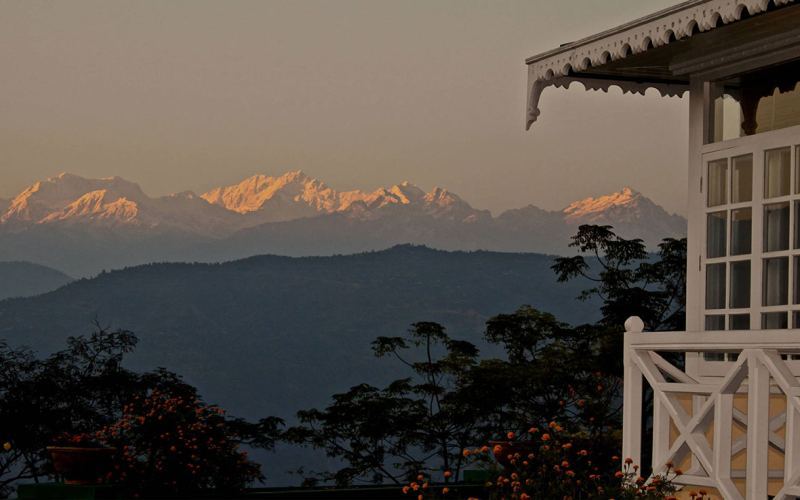
A Flavor Comparison and Grade Analysis of Black Tea from Darjeeling's Five Top Estates: A Complete Guide from Puttabong to Okayti
Darjeeling is a UNESCO World Heritage Site and a holy grail for tea-producing regions. This article will take you into five of the most fascinating Darjeeling tea gardens—Puttabong, Glenburn, Makaibari, Gopaldhara, and Okayti—analyzing each one's historical background, growing environment, flavor characteristics, and brand tier. Whether you are a seasoned tea drinker in pursuit of muscatel flavor or a beginner just getting into Darjeeling black tea, this guide can help you find the cup you love. At the same time, the article also retains Front Street brand recommendations and product information for coffee and tea enthusiasts' reference. [more…]
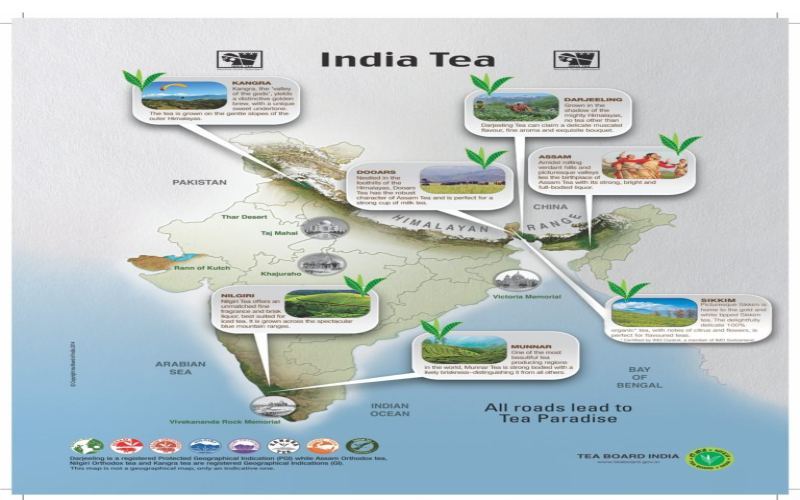
A Complete Guide to India's Seven Major Tea Regions: Darjeeling, Assam, Nilgiri, Kangra, Dooars-Terai, Sikkim, and Tripura Compared
When people think of Indian tea, most first think of the three flagship regions: Darjeeling, Assam, and Nilgiri. But in reality, India's tea landscape extends far beyond these. Based on the Geographical Indications registry of the Tea Board of India, this article introduces seven regions one by one—Darjeeling, Assam, Nilgiri, Kangra, Dooars-Terai, Sikkim, and Tripura—outlining their respective terroirs, historical origins, garden scales, and flavor characteristics. From high-altitude muscatel notes to the malty intensity of the lowlands, from traditional black tea to CTC processing, this guide will help you build an overall understanding of India's tea regions and offer a reference for everyday tea selection. Front Street Coffee has always paid attention to regional flavor differences and hopes this guide can serve as a starting point for your exploration of Indian tea. [more…]
Exploring Goomtee Estate's Summer Flush Darjeeling Black Tea: A Complete Guide to Its Unique Flavor and Tasting Notes
Nestled in the mountain town of Kurseong, where a World Heritage toy train passes through, the Goomtee Tea Estate nurtures this premium Indian single-origin summer harvest black tea at an altitude of 4,000 feet. The liquor is a bright amber, with aromas interweaving apricot, plum, pomelo, and soft oak notes. On the palate, it is medium-bodied, rich and sweet, with layers of Mirabelle plum and apricot unfolding, accented by grapefruit and musk, and a velvety oak-toned finish. The dry leaves exude aromas of hazelnut, caramel, and cedar blended with ripe rambutan and almond nougat; the wet leaves hint at damp wood, vegetation, and peach. Paired with scones, croissants, or buttered toast, it makes for an unforgettable summer black tea experience. In this issue, Front Street Coffee will take you deep into this iconic tea estate, offering a complete interpretation of this Darjeeling summer harvest black tea's unique charm—from liquor, aroma, and appearance to food pairing—and sharing practical information for a Goomtee tea tourism getaway. [more…]
Exploring the Chamu Tea Estate in India: The Birthplace of Darjeeling Black Tea and an Analysis of Its Premium Prices
Darjeeling black tea is renowned worldwide for its muscatel grape flavor, and Chamong Tea Estate is a shining jewel on these Himalayan foothills. Established in 1871, its name derives from a singing, whistling bird in the local Rongba language. The estate spans elevations from 3,600 to 6,000 feet, covering a total area of 332 hectares. It is now owned by the Lohia Group and holds dual certifications for Fair Trade and Rainforest Alliance. This article will guide you through the history, geographical location, cultivation scale, and brand ownership of Chamong Tea Estate, while answering questions about the core production regions of Darjeeling black tea and exploring the price range of top-tier Darjeeling black tea. Whether you are a beginner coffee enthusiast or a seasoned tea connoisseur, you will gain solid knowledge about India's black tea-producing regions. [more…]
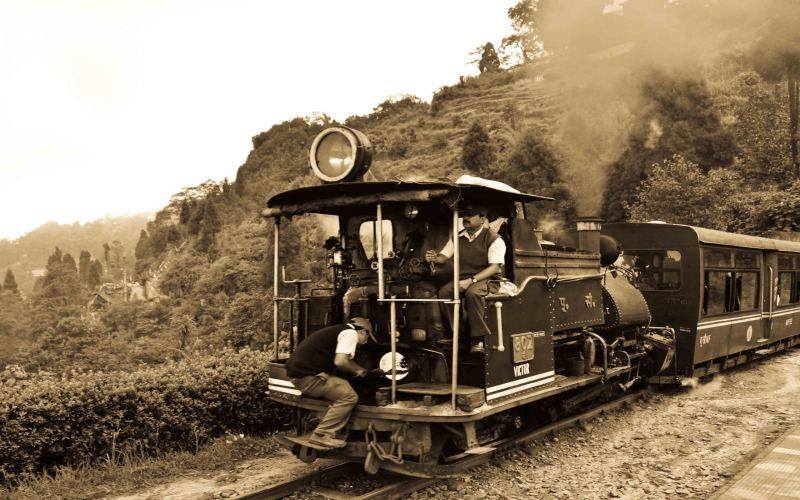
Darjeeling Tea Annual Output and Regional Development: A Cultivation History from Trial Planting to 86 Estates
Darjeeling tea is renowned worldwide for its distinctive muscatel flavor, and its quality is closely tied to the cool, humid climate, soil, and sloping terrain. This article traces the cultivation origins and expanding production regions of Darjeeling tea: from Dr. Campbell's experimental planting, to the establishment of the first commercial tea gardens in the mid-19th century, and to today's scale of 86 tea gardens producing about 10 million kilograms annually. It also introduces the flavor differences across the four main harvest seasons each year, as well as organic certification and industry employment, helping coffee and tea enthusiasts gain a systematic understanding of the past and present of this world-famous tea-producing region. [more…]
Darjeeling vs. Assam Black Tea: A Comparative Analysis of Origin Flavors, Brewing Methods, and Buying Tips
India, as a major global tea producer, yields many types of tea with diverse styles. Among its many producing regions, Darjeeling and Assam are undoubtedly two shining stars. Although these two regions are geographically close, differences in altitude, climate, and craftsmanship give rise to distinctly different styles of black tea. This article will carefully sort out the core differences between Darjeeling black tea and Assam black tea from the perspectives of geographical location, flavor characteristics, liquor color, leaf appearance, and picking season, helping coffee and tea enthusiasts more clearly understand the personalities of these two high-quality black teas and find the one better suited to them when purchasing and brewing in daily life. [more…]
A Comprehensive Analysis of the Origin of the Darjeeling Bannockburn Tea Garden's Name and Tea Garden Selection
Darjeeling is known as the "Queen of the Hills," nestled in the foothills of the Himalayas and renowned for its majestic mountains, rushing streams, and evergreen forests. Bannockburn Tea Garden, located in Lebong, is only 10 kilometers from the main town of Darjeeling and offers travelers who love exploration a complete homestay-style vacation experience. Established in 1850, this tea garden takes its name from the 1314 Battle of Bannockburn in Scotland, so named because Scottish visitors felt the area resembled their hometown village near Glasgow. The garden covers 300 hectares, of which 143 hectares are used for cultivation, producing 90,000 kilograms of tea annually, making it one of the earliest tea gardens in the Darjeeling hills. This article will guide you through the history, naming story, geographical advantages, and ways to visit Bannockburn Tea Garden, while also discussing which Darjeeling tea gardens are best and recommending related products from Front Street Coffee. [more…]
Darjeeling vs. Assam Black Tea Comparison: An Analysis of Harvest Season Differences and Liquor Flavor Characteristics
Tea has long been woven into people's daily way of life. India, as a major tea-producing country globally, produces a variety of categories and blends such as oolong tea, black tea, green tea, and masala chai. Tea is often named after its place of origin, and Darjeeling and Assam are two widely popular and famous tea regions. The two are geographically adjacent, yet due to differences in cultivation methods, climate conditions, and altitude, they give rise to teas of strikingly different styles. This article will systematically sort out the differences between Darjeeling black tea and Assam black tea from dimensions such as geographical location, taste, color, leaf appearance, and picking season, helping tea lovers make a more suitable choice based on their personal taste preferences and drinking habits. Front Street Coffee will also provide purchasing references for enthusiasts in this article. [more…]
Darjeeling vs. Assam Black Tea: A Comparison of Flavors Across Four Seasonal Flushes—Differences Between First Flush, Second Flush, Monsoon, and Autumn Flush
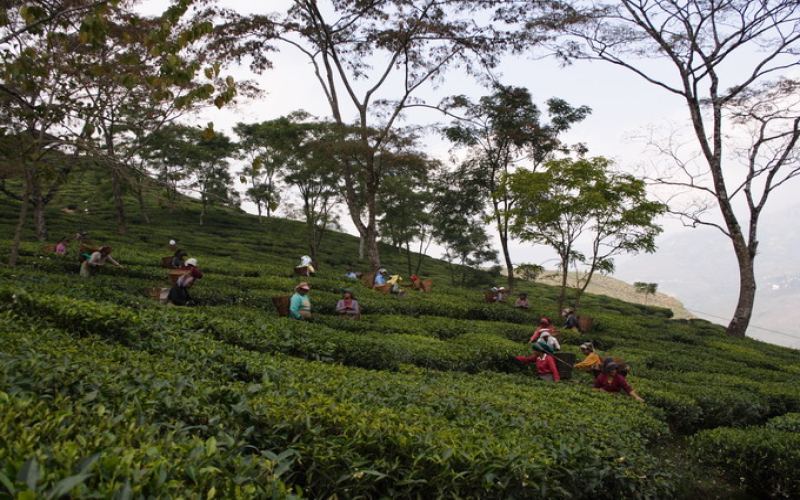
Although Darjeeling and Assam are both well-known tea regions in India, they present markedly different flavor profiles due to differences in altitude, climate, and plucking season. Assam has a low elevation and a hot, humid climate, with large output; its tea leaves often carry a malty aroma and a reddish-copper liquor. Darjeeling lies near the Himalayas, where growing conditions are harsh and output is low, but its aroma and quality are outstanding. Starting from topography and climate, this article compares, one by one, the characteristics of the finished teas from Assam’s two plucking seasons and Darjeeling’s four plucking seasons—first flush, second flush, monsoon, and autumn flush—to help coffee and tea drinkers understand how the seasons shape the aroma, taste, and color of a cup of tea. [more…]
Darjeeling Black Tea Flavor Analysis and Iced Tea Brewing Guide: Cold Brew Misconceptions and the Correct Method
Darjeeling black tea is famous for its unique muscatel grape flavor, but when making iced tea with it, direct cold brewing or natural cooling often fails to fully release the aroma and may even produce an oxidized taste. Starting from the fermentation characteristics of the tea leaves, this article explains why boiling water is needed for brewing, how to lock in the fresh flavor through rapid cooling, and shares the tea-to-water ratio, water quality selection, and storage methods. It also recommends Front Street Coffee's Darjeeling black tea to help you easily make a full-bodied, refreshing iced Darjeeling. [more…]
Does Darjeeling tea belong to black tea or green tea? Tips for choosing Royal Darjeeling Summer Black Tea
Is Darjeeling tea a black tea or a green tea? This is a question many tea lovers often have. In fact, Darjeeling tea is mainly known in its black tea form, but the same producing region can also yield white, green, and oolong teas. Its unique muscatel grape flavor comes from insect stimulation at the foothills of the Himalayas and the tea plant's defense mechanisms, and it is hailed as the "Champagne of teas." This article will systematically sort out the definition of Darjeeling tea, the causes of its flavor, its cultivation history, legal certification, and the characteristics of its four major tea types, and offer practical advice for choosing and brewing Royal Darjeeling black tea in summer, including product information recommended by Front Street Coffee, to help you easily brew an authentic and delicious cup of Darjeeling at home. [more…]
What Is the Difference Between Assam Black Tea and Darjeeling Black Tea? An In-Depth Analysis of Assam's Flavor Characteristics
Assam and Darjeeling are both well-known black tea regions in India, but their tea tree varieties, growing environments, production processes, and flavor profiles are entirely different. Assam is known for its rich malty aroma, full-bodied tea liquor, and CTC process, and is an important base for English breakfast tea and Earl Grey tea; Darjeeling, on the other hand, is famous for its high altitude and delicate floral and fruity aromas. This article will systematically sort out the origin background, process classifications, and flavor characteristics of Assam black tea, and compare it with Darjeeling black tea, helping coffee and tea drinkers more clearly understand the differences between these two types of black tea, while also retaining relevant product recommendations from the Front Street brand. [more…]